Quick answer: Wind turbine blade damage detection in Japan means finding and grading lightning damage, leading edge erosion and cracks on every blade, then filing a Japanese-language report. Under the Civil Aeronautics Act, drones of 100 g or more must be registered, and flying within 30 m of a turbine needs MLIT approval.
Japan blade damage detection: what a Taiwan drone crew must prove
Japanese wind operators decide whether your blade damage detection is good enough before your drone leaves its case. They want the defect catalogue, the image spec, the severity scale, your 航空法 approvals and a sample report in Japanese, all on paper, during procurement.
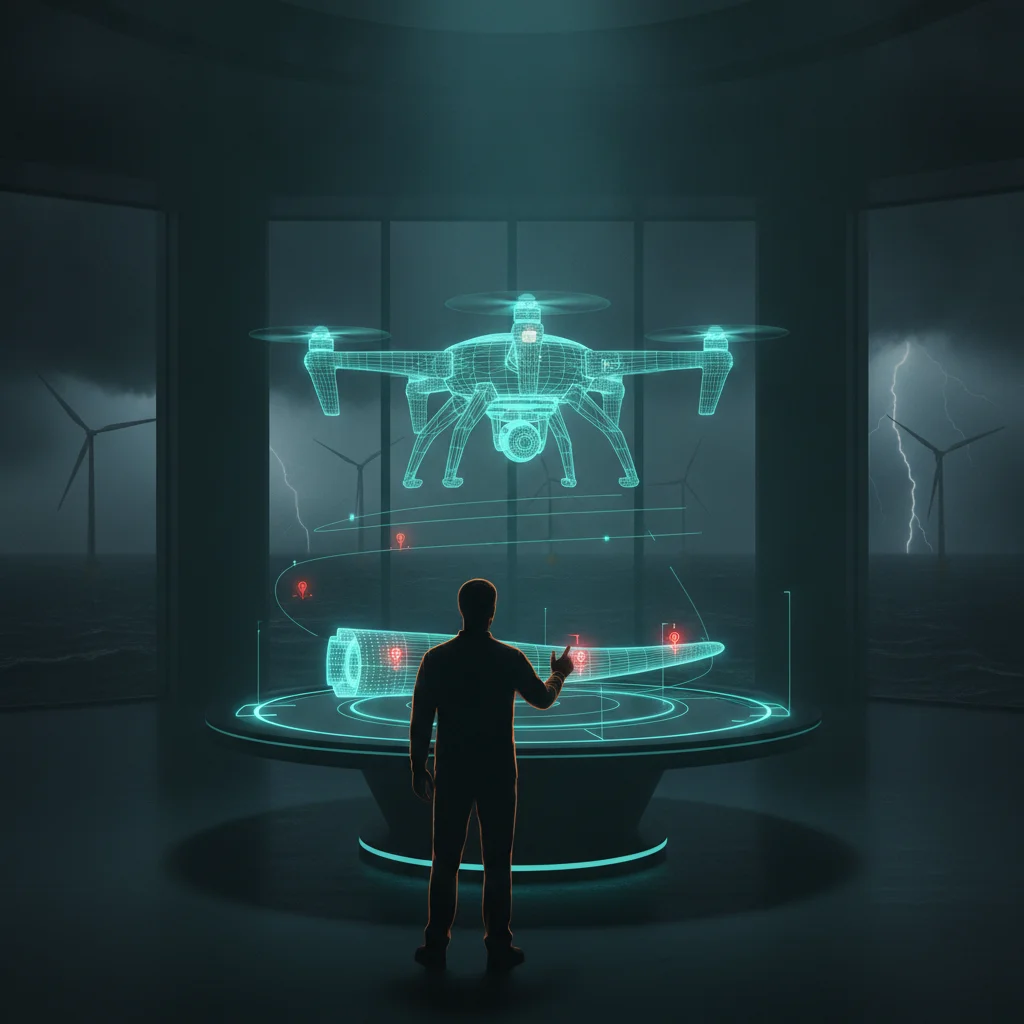
I'm a Taiwan-based drone inspector working offshore and onshore wind, and I've learned to build for that moment. The tool I open first now is a browser-based Turbine Inspection Simulator I built to demo and train blade-defect detection workflows before any crew climbs or flies.
The phrase Japanese engineers type into search is 風車 ブレード 損傷 検出: wind turbine blade damage detection. Here's what it means in practice when the buyer is Japanese.
What does blade damage detection mean to a Japanese wind operator?
It means finding, locating and grading every defect on all three blades to a written standard, then handing over a report the asset owner can file and act on. The flight is the easy part to buy. The grading and the report decide whether you get a second order.
Japan's fleet is a mix. Onshore, many turbines date from the 2000s and early 2010s, a good share of them on windy coastal ridges, and some are legacy Japanese-made units from manufacturers that have since left the large-turbine business. Offshore, the operating sites include Akita and Noshiro ports, Ishikari Bay New Port in Hokkaido, Hibikinada off Kitakyushu and the floating project off Goto in Nagasaki.
The pipeline is bigger. The government target is 10 GW of offshore projects formed by 2030 and 30 to 45 GW by 2040. Round 1 had a rough 2025 when the winning consortium pulled out of its 3 sites, but Rounds 2 and 3 in Akita, Niigata, Nagasaki, Aomori and Yamagata are moving ahead.
Most new turbines come from Vestas, Siemens Gamesa and GE. So a Japanese report usually has to map defects to the OEM's own damage categories and still read like a Japanese engineering document. Two audiences, one report.
Which blade defects matter most in Japan?
On the Sea of Japan coast, lightning damage comes first and leading edge erosion second. In Kyushu and on the Pacific side, typhoon loading and erosion move up the list.
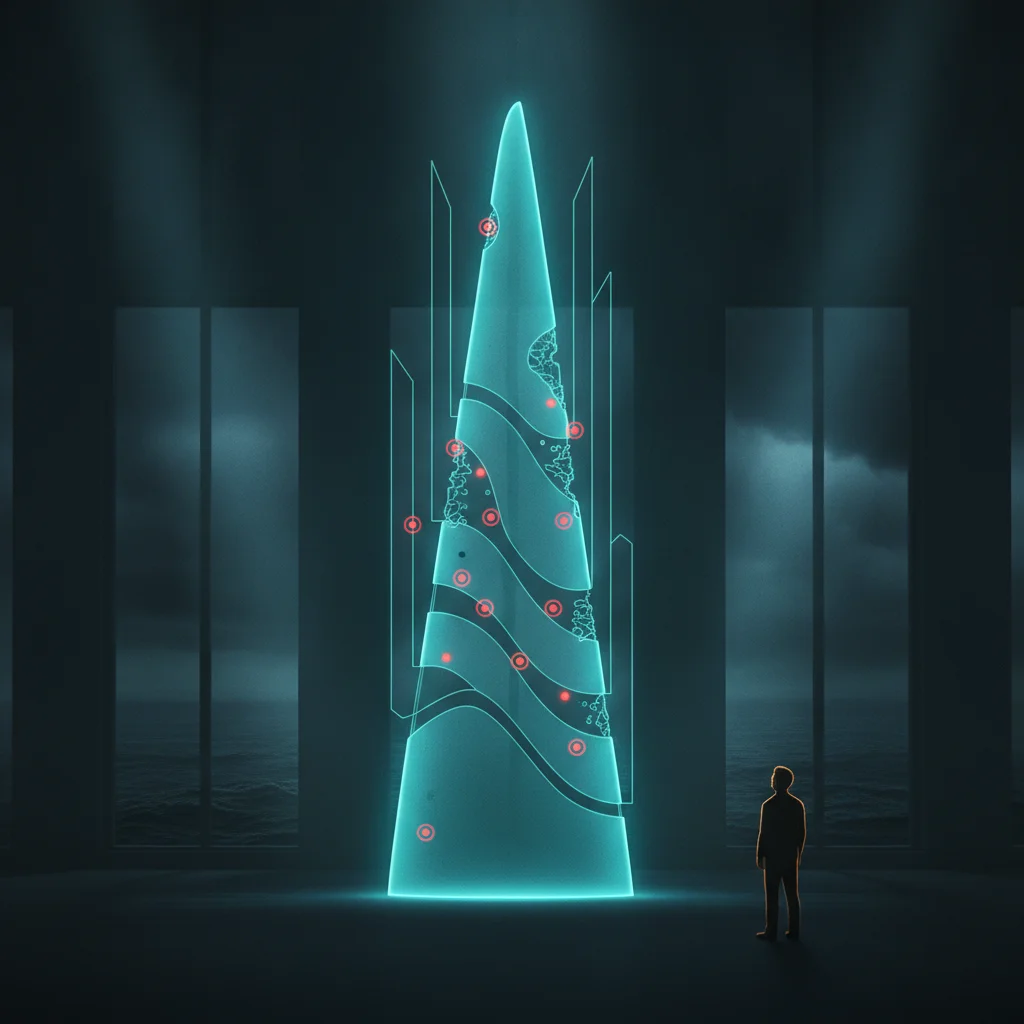
Winter lightning along the Hokuriku and Tohoku coast is unusually energetic. It often starts from tall structures and carries charge for a long time, and Japanese researchers and NEDO have studied its effect on wind turbines for years. For an inspector, that means tip damage, scorched receptors and split laminate near the tip are the defects you can't afford to miss.
| Defect | Why it shows up in Japan | What detection needs |
|---|
| Lightning damage at tip and receptor | Winter lightning on the Sea of Japan coast (Akita, Niigata, Ishikari) | Close tip passes on both sides, receptor and down-conductor exit points in frame |
| Leading edge erosion | Rain, salt and sand at coastal sites, typhoon season in Kyushu | Even lighting, about 1 mm per pixel on the leading edge, comparison with the last cycle |
| Trailing edge cracks and bondline splits | Fatigue in older onshore units | Low-angle passes along the trailing edge, pressure and suction side |
| Delamination and laminate cracks | Manufacturing defects and fatigue | Flag for follow-up, often confirmed by rope access or internal inspection |
| Contamination and coating damage | Salt and insect build-up | Graded separately so it doesn't inflate structural severity |
The last row matters more than it looks. A report that grades salt crust like a crack trains the client to ignore your severity scale.
What does Japanese law require for a drone blade inspection?
Under 航空法, the Civil Aeronautics Act, every drone of 100 g or more must be registered (機体登録) and broadcast Remote ID, a rule in force since June 2022. A blade flight almost always also needs MLIT approval, because you're flying within 30 m of the turbine.
Here's how the pieces fit for a typical inspection.
| Requirement | What it covers | Notes for a foreign operator |
|---|
| 機体登録 (aircraft registration) | Registration number on the airframe, Remote ID | Done online; check MLIT's current rules for non-resident owners |
| 許可・承認 via DIPS 2.0 | Flights within 30 m of people or property, BVLOS and other specified flights | A turbine counts as property, so blade work needs approval |
| 国家資格 (national pilot licence) | 一等 and 二等 licences, since December 2022 | Not mandatory for most approved Category II flights, but buyers ask |
| 150 m altitude rule | Airspace above 150 m needs permission | The zone within 30 m of a tall structure is treated differently; confirm the current text |
| Offshore and port rules | Work at sea and inside port areas | Coordinate with the Japan Coast Guard and the port authority |
The 150 m point is worth checking every time. Modern turbine tips go well above it, and the structure exemption has conditions.
There's a second legal layer that drives demand. Since 2017, turbines of 500 kW and above fall under periodic safety management inspection (定期安全管理検査) under the Electricity Business Act. Your blade report ends up in that record, which is one reason Japanese owners care so much about format and traceability.
How do Japanese buyers procure blade inspection?
Through a chain. The asset owner contracts an O&M company or the OEM service team, and they bring in specialist subcontractors (協力会社). A foreign operator usually enters at that third level, and the first order is small.
What I expect to be asked for:
- 実績, a track record list: turbine models, blade lengths, onshore or offshore, number of turbines inspected, with no client names required.
- 安全書類: safety documents, work procedures (作業手順書), risk assessment and daily KY (危険予知) checks.
- Insurance: third-party liability cover, with the certificate attached.
- A sample 報告書: photos per blade, per side, per zone, with position from root and a severity grade.
- A clear 見積: scope per turbine, weather standby terms and what happens when the wind is too strong to fly.
Payment terms are often month-end close, paid at the end of the following month (月末締め翌月末払い). Decisions are slow the first time and steady afterwards. A Japanese client that trusts your report format tends to keep it, because changing formats means rewriting their own records.
Why I show a simulator before I quote
Because a Japanese engineer can judge a detection workflow in 10 minutes of clicking, faster than in an hour of slides through a language gap.
The Turbine Inspection Simulator runs in a browser. It shows a turbine, the flight path around each blade, the zone naming and planted defects at different severities. A trainee crew flies the pattern, tries to find each defect and grades it. A buyer sees exactly what the camera sees at a given standoff distance, how a defect gets located from the root, and how a grade gets assigned.
I built it for two jobs. Demo first: the procurement question is how you find damage, and the simulator answers it before anyone books a vessel or a crane. Training second: crews practise the pattern and the grading on a screen, so the first real flight isn't where they learn which side of the trailing edge they skipped.
It also makes the severity scale concrete. Mapping a 1 to 5 grade to the OEM's categories is abstract in a document and obvious on a blade you can rotate.
Where does AI fit in blade damage detection?
AI does the triage. It flags candidate defects across the hundreds to few thousand images a single turbine produces, and a human inspector confirms and grades each one. In Japan, the signed report is what carries weight, so the human step stays.
The workflow I trust looks like this:
- Capture to a fixed spec: standoff, overlap, lighting, and about 1 mm per pixel on the surfaces that matter.
- Run detection to flag candidates and sort them by zone.
- Inspector review: confirm, reject, grade, compare with the last cycle.
- Generate the report in English and Japanese from the same graded data.
Data ownership comes up early with Japanese clients. They want to know where images are stored, who can see them and whether they get the raw files. My answer: the client owns the images and the graded data, and the report is generated from data they keep.
How does a Taiwan-based operator serve Japanese clients?
By splitting the job. Fly with Japan-registered aircraft, either with a Japanese partner crew or your own licensed pilot, and do the detection, grading and reporting from Taiwan.
The geography helps. Taiwan is 1 hour behind Japan, so the working day overlaps almost completely. Taipei to Fukuoka is about 2.5 hours, which puts Kitakyushu and Nagasaki close.
The work transfers too. Greater Changhua offshore wind farms run the same OEM families Japan is installing, in a strait with monsoon seas and typhoon seasons. Blade defects on a Siemens Gamesa or Vestas blade look the same off Changhua or off Akita.
Language is the honest constraint. I don't speak Japanese. Any report going to a Japanese client has to be checked by a native speaker, and I budget for that in the quote.
If you're a Japanese O&M company or drone service firm evaluating a foreign specialist, ask for 4 things in the first meeting: the defect catalogue, the image spec, a sample Japanese report and a live walk through the detection workflow. If the crew can't show those before flying, the flight won't fix it.
快速解答: 在日本,風機葉片損傷檢測是指在每一支葉片上找出雷擊損傷、前緣侵蝕與裂紋並評定等級,然後提交一份日文報告。依據《航空法》,100 g 以上的無人機必須登記,而在風機 30 m 範圍內飛行需要取得國土交通省(MLIT)的核准。
日本風機葉片損傷檢測:台灣無人機團隊必須證明什麼
日本風電業者在你的無人機還沒出箱之前,就已經決定你的葉片損傷檢測夠不夠好。他們要在採購階段就看到書面資料:缺陷目錄、影像規格、嚴重度等級、你的航空法核准文件,以及一份日文範例報告。
我是駐台灣的無人機檢測員,負責離岸與陸域風電,也學會了為那個時刻做好準備。我現在第一個打開的工具,是我自己開發的瀏覽器版 Turbine Inspection Simulator,用來在任何團隊攀爬或起飛之前,展示並訓練葉片缺陷檢測流程。
日本工程師在搜尋時輸入的詞是「風車 ブレード 損傷 検出」,也就是風機葉片損傷檢測。以下說明當買方是日本企業時,這件事在實務上代表什麼。
對日本風電業者來說,葉片損傷檢測代表什麼?
代表依照書面標準,在三支葉片上找出、定位並評定每一個缺陷,然後交出一份資產業主可以歸檔並據以行動的報告。飛行是最容易買到的部分。評級和報告才決定你能不能拿到第二張訂單。
日本的機組組成相當多元。陸域方面,許多風機建於 2000 年代到 2010 年代初期,其中不少位於多風的沿海山脊,有些則是日本製造的舊機型,其製造商早已退出大型風機市場。離岸方面,運轉中的場址包括秋田港與能代港、北海道的石狩灣新港、北九州外海的響灘,以及長崎五島外海的浮動式專案。
後續的開發案規模更大。政府目標是 2030 年前形成 10 GW 的離岸專案,2040 年前達到 30 至 45 GW。第一輪在 2025 年遭遇挫折,得標聯盟退出了旗下 3 個場址,但秋田、新潟、長崎、青森與山形的第二輪和第三輪正持續推進。
大多數新風機來自 Vestas、Siemens Gamesa 和 GE。因此日本報告通常必須把缺陷對應到 OEM 自己的損傷分類,同時讀起來仍要像一份日本工程文件。兩種讀者,一份報告。
在日本,哪些葉片缺陷最重要?
在日本海沿岸,雷擊損傷排第一,前緣侵蝕第二。在九州和太平洋側,颱風負載與侵蝕的排名則會往前移。
北陸與東北沿岸的冬季雷能量特別強。它常從高聳結構物起始,並長時間持續放電,日本研究人員與 NEDO 多年來一直在研究它對風機的影響。對檢測員來說,這代表葉尖損傷、接閃器燒灼,以及葉尖附近的層板開裂,是絕對不能漏掉的缺陷。
| 缺陷 | 為何在日本常見 | 檢測需要什麼 |
|---|
| 葉尖與接閃器的雷擊損傷 | 日本海沿岸的冬季雷(秋田、新潟、石狩) | 兩側都做近距離葉尖掃描,接閃器與引下線出口點需完整入鏡 |
| 前緣侵蝕 | 沿海場址的雨水、鹽分與沙塵,九州的颱風季 | 均勻照明,前緣解析度約每像素 1 mm,並與上一輪比對 |
| 後緣裂紋與黏接線開裂 | 舊型陸域機組的疲勞 | 沿後緣低角度掃描,壓力面與吸力面都要涵蓋 |
| 脫層與層板裂紋 | 製造缺陷與疲勞 | 標記待後續追蹤,通常需以繩索作業或內部檢測確認 |
| 污染與塗層損傷 | 鹽分與昆蟲堆積 | 另行評級,避免拉高結構嚴重度 |
最後一列比看起來更重要。一份把鹽垢當成裂紋來評級的報告,等於在教客戶忽略你的嚴重度等級。
日本法律對無人機葉片檢測有什麼要求?
依據《航空法》,所有 100 g 以上的無人機都必須登記(機体登録)並發送 Remote ID,這項規定自 2022 年 6 月起施行。葉片飛行幾乎都還需要國土交通省(MLIT)核准,因為你是在風機 30 m 範圍內飛行。
以下是一般檢測中各項要求的對應關係。
| 要求 | 涵蓋範圍 | 給外國業者的提醒 |
|---|
| 機体登録(機體登記) | 機身上的登記號碼、Remote ID | 線上辦理;請查閱 MLIT 針對非居民所有人的最新規定 |
| 透過 DIPS 2.0 申請許可・承認 | 距人員或物件 30 m 以內的飛行、BVLOS 及其他特定飛行 | 風機屬於物件,因此葉片作業需要核准 |
| 国家資格(國家操縱人員證照) | 一等與二等證照,自 2022 年 12 月起實施 | 多數經核准的第二類飛行並非強制,但買方會問 |
| 150 m 高度規定 | 150 m 以上空域需要許可 | 高聳結構物 30 m 範圍內的區域另有規定;請確認最新條文 |
| 離岸與港區規定 | 海上與港區內作業 | 需與日本海上保安廳及港務機關協調 |
150 m 這點每次都值得確認。現代風機的葉尖高度遠超過 150 m,而結構物豁免是有條件的。
還有第二層法規在推動需求。自 2017 年起,500 kW 以上的風機依《電氣事業法》須接受定期安全管理檢查(定期安全管理検査)。你的葉片報告最終會納入那份紀錄,這也是日本業主如此重視格式與可追溯性的原因之一。
日本買方如何採購葉片檢測?
透過層層分包。資產業主與 O&M 公司或 OEM 服務團隊簽約,再由他們找來專業分包商(協力会社)。外國業者通常從第三層切入,而且第一張訂單規模都不大。
我預期會被要求提供:
- 実績:實績清單,包括風機型號、葉片長度、陸域或離岸、檢測過的風機數量,不需要列出客戶名稱。
- 安全書類:安全文件、作業程序書(作業手順書)、風險評估與每日 KY(危険予知)檢查。
- 保險:第三人責任險,並附上保險證明。
- 一份範例報告書:每支葉片、每一面、每個區段的照片,標示距葉根的位置與嚴重度等級。
- 清楚的見積:每部風機的工作範圍、天候待命條款,以及風太大無法飛行時如何處理。
付款條件通常是月底結算、次月底付款(月末締め翌月末払い)。第一次決策很慢,之後就很穩定。一旦日本客戶信任你的報告格式,往往會一直沿用,因為更換格式代表他們得重寫自己的紀錄。
為什麼我在報價前先展示模擬器
因為日本工程師點擊 10 分鐘就能判斷一套檢測流程,比隔著語言障礙看一小時簡報還快。
Turbine Inspection Simulator 在瀏覽器中執行。它會顯示一部風機、繞行每支葉片的飛行路徑、區段命名,以及預先設置、不同嚴重度的缺陷。受訓團隊照著航線飛行,試著找出每個缺陷並評級。買方則能清楚看到相機在特定拍攝距離下看到什麼、缺陷如何從葉根起算定位,以及等級如何判定。
我開發它是為了兩個用途。第一是展示:採購時的問題是你如何找出損傷,而模擬器在任何人預訂船隻或吊車之前就能回答。第二是訓練:團隊先在螢幕上練習航線與評級,這樣第一次實際飛行時,才不會是他們發現自己漏掉後緣哪一側的時候。
它也讓嚴重度等級變得具體。把 1 到 5 級對應到 OEM 的分類,寫在文件裡很抽象,放在一支可以旋轉的葉片上就一目了然。
AI 在葉片損傷檢測中扮演什麼角色?
AI 負責初篩。單一部風機會產生數百到數千張影像,AI 從中標出疑似缺陷,再由檢測員逐一確認並評級。在日本,有簽名的報告才有分量,所以人工步驟必須保留。
我信任的流程如下:
- 依固定規格拍攝:拍攝距離、重疊率、照明,關鍵表面解析度約每像素 1 mm。
- 執行檢測,標出疑似缺陷並依區段分類。
- 檢測員審查:確認、排除、評級,並與上一輪比對。
- 以同一份評級資料產生英文與日文報告。
日本客戶很早就會問資料所有權。他們想知道影像存放在哪裡、誰能看到,以及能否取得原始檔。我的回答是:影像與評級資料歸客戶所有,報告是從客戶保有的資料產生的。
台灣業者如何服務日本客戶?
把工作拆開。使用在日本登記的機體飛行,由日本合作團隊或你自己的持證飛手執行,檢測、評級與報告則在台灣完成。
地理位置是優勢。台灣比日本晚 1 小時,工作時間幾乎完全重疊。台北飛福岡約 2.5 小時,北九州和長崎都近在咫尺。
經驗也能直接轉移。彰化外海的離岸風場使用的 OEM 機型系列,和日本正在安裝的相同,而且同樣位於有季風海況與颱風季的海峽。Siemens Gamesa 或 Vestas 葉片上的缺陷,不論在彰化外海還是秋田外海,看起來都一樣。
語言是現實的限制。我不會說日文。任何要交給日本客戶的報告都必須由母語人士檢查,我會把這部分費用編入報價。
如果你是日本的 O&M 公司或無人機服務公司,正在評估外國專業團隊,第一次會議時請要求 4 樣東西:缺陷目錄、影像規格、一份日文範例報告,以及現場實際走一遍檢測流程。如果團隊在飛行前拿不出這些,飛了也解決不了問題。
Quick answer: 日本における風車ブレードの損傷検出とは、すべてのブレードで雷撃損傷、前縁エロージョン、亀裂を見つけて等級を付け、日本語の報告書として提出することです。航空法では100 g以上のドローンは機体登録が必要で、風車から30 m以内を飛行するには国土交通省の承認が必要です。
日本の風車ブレード損傷検出:台湾のドローンクルーが証明すべきこと
日本の風力発電事業者は、ドローンがケースから出る前に、そのブレード損傷検出が十分な水準かどうかを判断します。求められるのは、欠陥カタログ、撮影仕様、重大度スケール、航空法の許可・承認、そして日本語のサンプル報告書です。これらすべてを、調達の段階で書面として提出する必要があります。
私は台湾を拠点に、洋上と陸上の風力発電でドローン点検を行っています。その場面に向けて準備することを学んできました。今まず開くツールは、自作のブラウザ版 Turbine Inspection Simulator です。クルーが登ったり飛ばしたりする前に、ブレード欠陥の検出ワークフローをデモし、訓練するためのものです。
日本のエンジニアが検索するのは「風車 ブレード 損傷 検出」という言葉です。買い手が日本企業の場合、それが実務で何を意味するのかを説明します。
日本の風力発電事業者にとって、ブレード損傷検出とは何か?
3枚すべてのブレードにあるすべての欠陥を、文書化された基準に沿って発見し、位置を特定し、等級を付けることです。そのうえで、資産オーナーが記録として保管し、対応に使える報告書を納品します。飛行そのものは発注しやすい部分です。2回目の発注につながるかどうかは、等級付けと報告書で決まります。
日本の風車はさまざまです。陸上では2000年代から2010年代初頭の機体が多く、その多くは風の強い沿岸の尾根に立っています。中には、すでに大型風車事業から撤退した国内メーカーの旧型機もあります。洋上で稼働中の主なサイトは、秋田港と能代港、北海道の石狩湾新港、北九州沖の響灘、そして長崎県五島沖の浮体式プロジェクトです。
今後の案件はさらに大きくなります。政府目標は、2030年までに10 GW、2040年までに30〜45 GWの洋上風力案件を形成することです。ラウンド1は2025年に苦境に陥り、落札したコンソーシアムが3海域から撤退しました。一方、秋田、新潟、長崎、青森、山形のラウンド2とラウンド3は前進しています。
新設される風車の大半は欧米の大手OEM製です。そのため日本向けの報告書は、多くの場合、欠陥をOEM独自の損傷カテゴリーに対応させつつ、日本の技術文書として読める形にする必要があります。読み手は2者、報告書は1つです。
日本で特に重要なブレード欠陥は?
日本海側では雷撃損傷が最優先で、前縁エロージョンがそれに続きます。九州と太平洋側では、台風による荷重とエロージョンの優先度が上がります。
北陸から東北の沿岸で発生する冬季雷は、際立って大きなエネルギーを持ちます。高い構造物から始まることが多く、長時間にわたって電荷を運びます。日本の研究者やNEDOは、風車への影響を長年研究してきました。点検者にとっては、翼端の損傷、焼損したレセプター、翼端付近の積層の割れが、見逃してはならない欠陥ということになります。
| 欠陥 | 日本で発生する理由 | 検出に必要なこと |
|---|
| 翼端とレセプターの雷撃損傷 | 日本海側の冬季雷(秋田、新潟、石狩) | 両面で翼端に近接した撮影、レセプターとダウンコンダクターの出口を画角に収める |
| 前縁エロージョン | 沿岸サイトの雨、塩分、砂、九州の台風シーズン | 均一な照明、前縁で1ピクセルあたり約1 mm、前回点検との比較 |
| 後縁の亀裂と接着部の剥離 | 古い陸上機の疲労 | 後縁に沿った低角度の撮影、圧力面と負圧面の両方 |
| 層間剥離と積層の亀裂 | 製造欠陥と疲労 | 追加調査として記録し、ロープアクセスや内部点検で確認することが多い |
| 汚れと塗膜の損傷 | 塩分や虫の付着 | 構造上の重大度を過大に見せないよう、別枠で等級付け |
最後の行は見た目以上に重要です。塩の付着を亀裂と同じように等級付けする報告書は、顧客に重大度スケールを無視する癖をつけてしまいます。
ドローンによるブレード点検で、日本の法律は何を求めているか?
航空法では、100 g以上のすべてのドローンに機体登録とリモートIDの発信が義務付けられています。2022年6月から施行されている規定です。さらにブレード点検の飛行は、風車から30 m以内を飛ぶことになるため、ほぼ必ず国土交通省の承認も必要になります。
一般的な点検での各要件の関係は次のとおりです。
| 要件 | 対象 | 海外事業者向けの注意点 |
|---|
| 機体登録 | 機体への登録記号の表示、リモートID | オンラインで手続き。非居住者の所有者に関する最新の規定は国土交通省で確認 |
| DIPS 2.0による許可・承認 | 人や物件から30 m以内の飛行、目視外飛行などの特定飛行 | 風車は物件に該当するため、ブレード点検には承認が必要 |
| 国家資格(操縦ライセンス) | 2022年12月から一等・二等ライセンス | 承認を受けたカテゴリーIIの飛行の多くでは必須ではないが、発注者から求められる |
| 150 mの高度規制 | 150 m以上の空域には許可が必要 | 高い構造物から30 m以内の範囲は扱いが異なる。最新の条文を確認すること |
| 洋上と港湾のルール | 海上や港湾区域内での作業 | 海上保安庁と港湾管理者との調整 |
150 mの点は毎回確認する価値があります。最新の風車の翼端はこれを大きく超え、構造物に関する適用除外には条件があります。
需要を生み出す法律はもう1つあります。2017年以降、出力500 kW以上の風車は電気事業法に基づく定期安全管理検査の対象になっています。ブレード点検の報告書はその記録に組み込まれます。日本のオーナーが書式とトレーサビリティを重視する理由の1つがここにあります。
日本の発注者はブレード点検をどう調達するか?
階層構造を通じて調達します。資産オーナーがO&M会社またはOEMのサービス部門と契約し、そこが専門の協力会社を起用します。海外事業者は通常この3番目の階層から参入し、最初の発注は小規模です。
求められると想定しているもの:
- 実績:実績リスト。風車の機種、ブレード長、陸上か洋上か、点検台数。顧客名は不要です。
- 安全書類:作業手順書、リスクアセスメント、毎日のKY(危険予知)活動。
- 保険:第三者賠償責任保険。証書を添付します。
- サンプルの報告書:ブレードごと、面ごと、ゾーンごとの写真に、翼根からの位置と重大度の等級を付けたもの。
- 明確な見積:風車1基あたりの作業範囲、天候待機の条件、風が強すぎて飛べない場合の扱い。
支払条件は月末締め翌月末払いが多いです。初回は意思決定に時間がかかりますが、その後は安定します。報告書の書式を信頼した日本の顧客は、その書式を使い続ける傾向があります。書式を変えると、自社の記録を書き直すことになるからです。
見積の前にシミュレーターを見せる理由
日本のエンジニアは、言葉の壁を挟んだ1時間のスライドよりも、10分間クリックして操作するほうが早く検出ワークフローを評価できるからです。
Turbine Inspection Simulator はブラウザで動作します。風車、各ブレードを回る飛行経路、ゾーンの名称、そして重大度の異なる仕込まれた欠陥が表示されます。訓練中のクルーは飛行パターンをなぞり、各欠陥を探して等級を付けます。発注者は、一定の離隔距離でカメラに実際に何が映るのか、欠陥の位置が翼根からどう特定されるのか、等級がどう付けられるのかを、そのまま確認できます。
作った目的は2つです。1つ目はデモです。調達の場で問われるのは「どうやって損傷を見つけるのか」であり、シミュレーターは船やクレーンを手配する前にその問いに答えます。2つ目は訓練です。クルーは画面上で飛行パターンと等級付けを練習できるので、後縁のどちら側を撮り忘れたかを本番の初飛行で知る、ということがなくなります。
重大度スケールも具体的になります。1〜5の等級をOEMのカテゴリーに対応させる作業は、文書の上では抽象的ですが、回転させて見られるブレードの上なら一目瞭然です。
ブレード損傷検出のどこにAIを使うか?
AIが担うのはトリアージです。風車1基で数百枚から数千枚にのぼる画像から欠陥の候補を抽出し、人間の点検者がその1つひとつを確認して等級を付けます。日本では署名入りの報告書が重みを持つため、人間による確認は欠かせません。
私が信頼しているワークフローは次のとおりです。
- 固定された仕様で撮影する:離隔距離、オーバーラップ、照明、そして重要な面で1ピクセルあたり約1 mm。
- 検出を実行して候補を抽出し、ゾーンごとに整理する。
- 点検者がレビューする:確認、却下、等級付け、前回点検との比較。
- 等級付けした同じデータから、英語版と日本語版の報告書を生成する。
日本の顧客とは、データの所有権が早い段階で話題になります。画像がどこに保存されるのか、誰が閲覧できるのか、元データを受け取れるのかを知りたがります。私の答えはこうです。画像と等級付けデータは顧客のもので、報告書は顧客が保持するデータから生成します。
台湾拠点の事業者は、日本の顧客にどう対応するか?
業務を分担します。飛行は日本で登録した機体を使い、日本のパートナークルーか自社のライセンス保有パイロットが担当します。検出、等級付け、報告書作成は台湾から行います。
地理的な条件も有利です。台湾は日本より1時間遅いだけなので、勤務時間はほぼ完全に重なります。台北から福岡までは約2.5時間で、北九州や長崎も近くなります。
業務のノウハウもそのまま通用します。台湾の洋上風力発電所では、日本で導入が進んでいるのと同じOEMの機種が、モンスーンの荒れた海と台風シーズンのある海峡で稼働しています。同じOEMのブレードであれば、台湾沖でも秋田沖でも欠陥の見え方は同じです。
言語は正直に言って制約です。私は日本語を話せません。日本の顧客に提出する報告書は必ずネイティブスピーカーの確認を受ける必要があり、その費用は見積に含めています。
海外の専門業者を検討している日本のO&M会社やドローンサービス会社の方は、最初の打ち合わせで4つのことを求めてください。欠陥カタログ、撮影仕様、日本語のサンプル報告書、そして検出ワークフローのライブでの説明です。飛行前にこれらを示せないクルーなら、飛ばしても解決はしません。
Frequently asked questions常見問題よくある質問
Can a foreign drone operator legally inspect wind turbines in Japan?Can a foreign drone operator legally inspect wind turbines in Japan?Can a foreign drone operator legally inspect wind turbines in Japan?
Yes. The aircraft must be registered in Japan with Remote ID, and flights within 30 m of a turbine need MLIT approval through DIPS 2.0. Many foreign operators work with a Japanese partner or as a subcontractor to a Japanese O&M company. Check MLIT's current rules for non-resident owners before registering.Yes. The aircraft must be registered in Japan with Remote ID, and flights within 30 m of a turbine need MLIT approval through DIPS 2.0. Many foreign operators work with a Japanese partner or as a subcontractor to a Japanese O&M company. Check MLIT's current rules for non-resident owners before registering.Yes. The aircraft must be registered in Japan with Remote ID, and flights within 30 m of a turbine need MLIT approval through DIPS 2.0. Many foreign operators work with a Japanese partner or as a subcontractor to a Japanese O&M company. Check MLIT's current rules for non-resident owners before registering.
Do I need a Japanese national drone licence for blade inspection?Do I need a Japanese national drone licence for blade inspection?Do I need a Japanese national drone licence for blade inspection?
Usually not for an approved Category II flight, but Japanese buyers increasingly ask for a 一等 or 二等 licence holder on the crew, and it can simplify some approvals. Level 4 flights over people require the first-class licence and a type-certified aircraft.Usually not for an approved Category II flight, but Japanese buyers increasingly ask for a 一等 or 二等 licence holder on the crew, and it can simplify some approvals. Level 4 flights over people require the first-class licence and a type-certified aircraft.Usually not for an approved Category II flight, but Japanese buyers increasingly ask for a 一等 or 二等 licence holder on the crew, and it can simplify some approvals. Level 4 flights over people require the first-class licence and a type-certified aircraft.
What blade damage is most common on Japanese wind turbines?What blade damage is most common on Japanese wind turbines?What blade damage is most common on Japanese wind turbines?
On the Sea of Japan coast, lightning damage at the tip and receptors is the main concern because of strong winter lightning. Leading edge erosion follows at coastal sites. Older onshore units also show trailing edge cracks and bondline splits from fatigue.On the Sea of Japan coast, lightning damage at the tip and receptors is the main concern because of strong winter lightning. Leading edge erosion follows at coastal sites. Older onshore units also show trailing edge cracks and bondline splits from fatigue.On the Sea of Japan coast, lightning damage at the tip and receptors is the main concern because of strong winter lightning. Leading edge erosion follows at coastal sites. Older onshore units also show trailing edge cracks and bondline splits from fatigue.
Can AI replace the inspector in blade damage detection?Can AI replace the inspector in blade damage detection?Can AI replace the inspector in blade damage detection?
No. AI is good at flagging candidate defects across thousands of images, but a qualified inspector still confirms and grades each one. Japanese asset owners file blade reports as part of periodic safety inspection records, so a human sign-off is expected.No. AI is good at flagging candidate defects across thousands of images, but a qualified inspector still confirms and grades each one. Japanese asset owners file blade reports as part of periodic safety inspection records, so a human sign-off is expected.No. AI is good at flagging candidate defects across thousands of images, but a qualified inspector still confirms and grades each one. Japanese asset owners file blade reports as part of periodic safety inspection records, so a human sign-off is expected.
How often are wind turbine blades inspected in Japan?How often are wind turbine blades inspected in Japan?How often are wind turbine blades inspected in Japan?
Turbines of 500 kW and above have been under periodic safety management inspection under the Electricity Business Act since 2017. Many owners add annual or post-storm blade checks on top, especially after winter lightning seasons or typhoons.Turbines of 500 kW and above have been under periodic safety management inspection under the Electricity Business Act since 2017. Many owners add annual or post-storm blade checks on top, especially after winter lightning seasons or typhoons.Turbines of 500 kW and above have been under periodic safety management inspection under the Electricity Business Act since 2017. Many owners add annual or post-storm blade checks on top, especially after winter lightning seasons or typhoons.