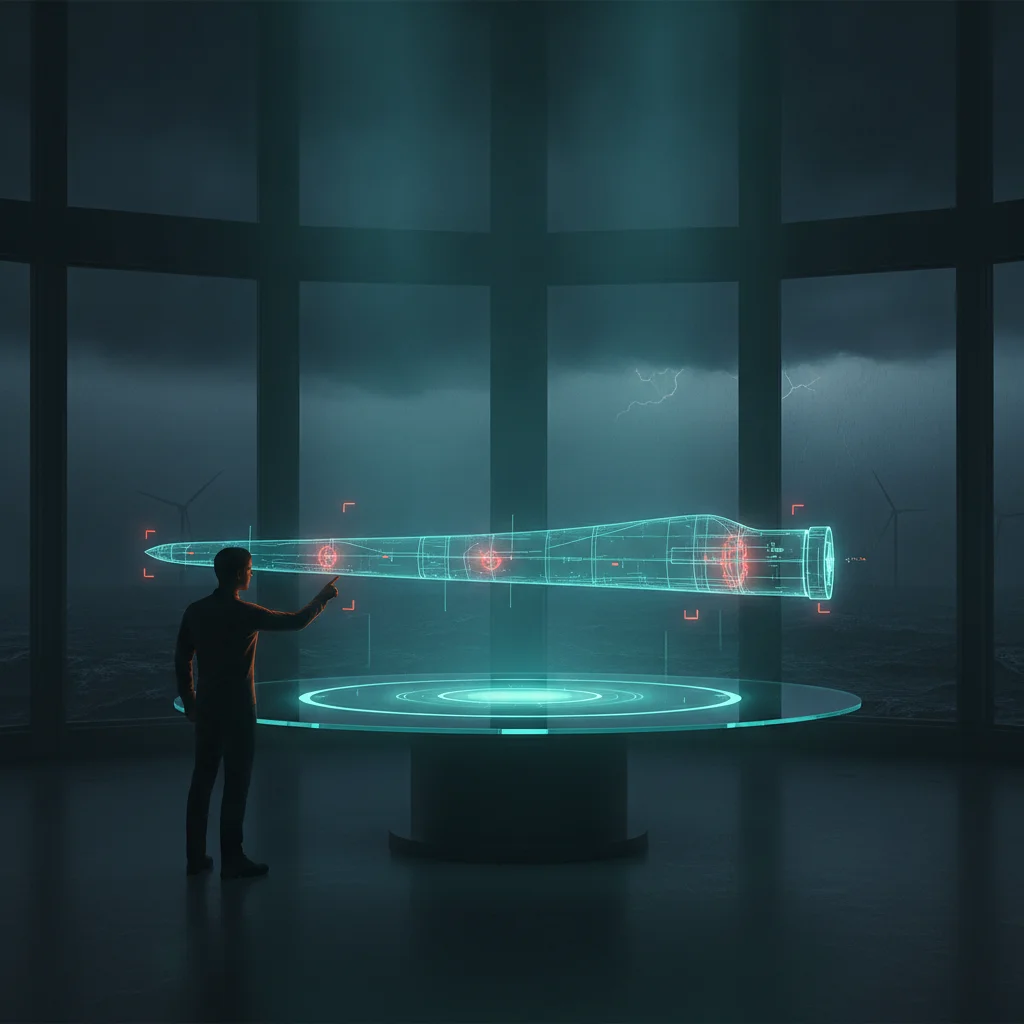
Quick answer: Wind turbine blade inspection (風力発電 ブレード 点検 ドローン) in Japan's offshore sector requires high-resolution thermal and visual data combined with AI-driven defect classification. Standard visual flyovers often miss sub-surface delamination or early-stage rain erosion, necessitating specialized sensor payloads and automated reporting to ensure long-term asset integrity.
Japan offshore wind: why drone blade inspections must go beyond visual checks
Most inspection teams fly a drone, capture high-resolution photos, and call it a day. In the high-stakes environment of offshore wind, from the Taiwan Strait to the coasts of Akita and Kyushu, that approach is a liability. A simple visual flyover often misses the structural precursors to catastrophic failure: sub-surface delamination, internal moisture ingress, and the subtle onset of leading-edge rain erosion.
To truly protect an asset, you cannot rely on a human eye staring at a screen for eight hours. You need a systematic, data-driven workflow that moves from raw pixels to actionable engineering reports.
Why is standard drone inspection often insufficient for offshore wind?
Standard drone inspections often fail because they prioritize coverage over depth, focusing on capturing images rather than identifying specific defect classes with repeatable accuracy.
In the offshore environments of Greater Changhua or Japan's expanding wind zones, the salt spray, high UV exposure, and monsoon-driven rain erosion create a unique set of failure modes. A technician might see a surface scratch and log it, but they might miss the fact that the scratch is the surface expression of a much larger internal structural compromise.
Effective inspection requires three layers of data:
- High-resolution RGB imagery: To identify surface cracks, lightning strikes, and leading-edge erosion.
- Thermal imaging: To detect internal delamination or water ingress that isn't visible to the naked eye.
- AI-assisted classification: To remove human subjectivity and ensure a crack found in year one is measured against the same standard in year five.

How do you choose between manual access and drone inspection?
Drone inspection is significantly faster and safer than manual rope access, but the choice depends on the required depth of the data and the turbine's current condition.
| Method | Speed | Safety | Data Depth | Cost Profile |
|---|
| Manual Rope Access | Low | Low | Very High | High (Labor intensive) |
| Standard Drone Flyover | High | High | Medium | Low (Per turbine) |
| AI-Enhanced Drone Inspection | High | High | High | Medium (Scalable) |
For routine annual or biennial maintenance, the drone is the clear winner. However, if a major structural defect is identified, manual access remains necessary for physical sampling or repair. The goal of a modern drone program is to use high-fidelity data to ensure rope access is only deployed when absolutely necessary.
Can a simulator improve the accuracy of wind turbine inspections?
Yes, using a digital simulator allows teams to standardize defect detection workflows and train technicians before they ever step onto a vessel or deploy a drone.
Before I began field operations in the Taiwan Strait, I developed a browser-based Turbine Inspection Simulator. The goal was to bridge the gap between "flying a drone" and "performing an industrial inspection." By simulating OEM-grade blade-defect detection, we could verify how different lighting conditions, angles, and resolutions affected the ability to spot specific defects like hairline cracks or edge erosion.
This simulation-first approach ensures that when the drone is in the air, the operator isn't just taking pretty pictures; they are capturing the specific data points required by the asset owner's engineering team.
What are the critical defect classes to monitor?
Monitoring specific defect classes is essential for predictive maintenance and preventing unplanned downtime in offshore wind farms.
To maintain a reliable inspection cadence, operators must track these primary categories:
- Leading Edge Erosion (LEE): Caused by rain, salt, and particulates hitting the blade tip at high velocities. If left untreated, it degrades aerodynamic efficiency and can lead to structural failure.
- Delamination: The separation of composite layers within the blade. This is often invisible to standard cameras and requires thermal or ultrasonic inspection.
- Lightning Strikes: Visible as puncture marks or charred areas, these can cause immediate structural damage and internal electrical issues.
- Cracks and Fissures: Surface-level cracks that may indicate fatigue or stress concentrations.
- Surface Contamination: Salt buildup or biological growth that can interfere with sensor readings or cause localized corrosion.
How does AI automation change the inspection reporting process?
AI automation moves the bottleneck from data collection to data interpretation, turning thousands of images into a structured, searchable database.
Traditionally, an inspector spends hours or days manually reviewing images and writing reports. This is slow, prone to error, and difficult to scale. By integrating AI-driven pipelines, the process changes:
- Automated Detection: Algorithms scan every frame of the inspection flight to flag potential defects.
- Standardized Labeling: Defects are classified into known categories (e.g., "Class 2 Erosion") automatically.
- Direct Reporting: The system generates an engineering-ready report with GPS coordinates and severity scores for every flagged item.
This transformation is vital for the massive scale of Japan's 2040 offshore wind targets. When managing thousands of turbines, you cannot afford a manual reporting loop. You need an automated engine that allows you to own the data and act on it immediately.
Quick answer: 日本離岸風電的風力發電 ブレード 点検 ドローン(風力發電機葉片無人機檢測),需要結合高解析度熱像與可見光資料,以及由 AI 驅動的缺陷分類。一般的目視飛行檢測常漏掉次表層分層與早期雨蝕,因此必須搭配專業的感測器酬載與自動化報告,才能確保資產的長期完整性。
日本離岸風電:為何無人機葉片檢測不能只靠目視
多數檢測團隊的做法是:飛一趟無人機,拍下高解析度照片,然後就收工。但在高風險的離岸風電環境中,從台灣海峽到秋田與九州沿岸,這種做法本身就是隱憂。單純的目視飛行檢測,常常錯過災難性故障的結構前兆:次表層分層、內部水氣滲入,以及前緣雨蝕的初期徵兆。
要真正保護資產,不能靠人眼盯著螢幕看八個小時。你需要一套系統化、以數據為本的工作流程,把原始像素轉化為工程團隊可以直接採取行動的報告。
為什麼一般的無人機檢測常常不足以應付離岸風電?
一般的無人機檢測之所以失敗,是因為它們重視涵蓋範圍勝過深度,著重在拍下影像,而不是以可重複的準確度辨識特定的缺陷類別。
在台灣離岸風場或日本持續擴張的風電海域,鹽霧、強烈紫外線,以及季風帶來的雨蝕,造就了一組獨特的失效模式。技師可能看到表面刮痕就記錄下來,卻沒注意到那道刮痕其實是更大範圍內部結構受損在表面的徵兆。
有效的檢測需要三層資料:
- 高解析度 RGB 影像: 用來辨識表面裂縫、雷擊與前緣侵蝕。
- 熱像儀影像: 用來偵測肉眼看不到的內部分層或進水。
- AI 輔助分類: 排除人為主觀判斷,確保第一年發現的裂縫,與第五年採用同一套標準來衡量。
人工繩索作業與無人機檢測,該如何選擇?
無人機檢測比人工繩索作業快得多也安全得多,但最終選擇取決於所需的資料深度與風機目前的狀況。
| 方法 | 速度 | 安全性 | 資料深度 | 成本結構 |
|---|
| 人工繩索作業 | 低 | 低 | 非常高 | 高(勞力密集) |
| 一般無人機飛行檢測 | 高 | 高 | 中 | 低(每台風機) |
| AI 強化的無人機檢測 | 高 | 高 | 高 | 中(可規模化) |
對於例行的年度或兩年一次的維護,無人機顯然是首選。不過,一旦發現重大結構缺陷,仍需要人工到場進行實體取樣或修復。現代無人機計畫的目標,是利用高精度資料,讓繩索作業只在真正必要時才出動。
模擬器能提升風機檢測的準確度嗎?
可以。數位模擬器能讓團隊在登上船隻或起飛無人機之前,就先統一缺陷偵測流程並訓練技師。
在我正式進入台灣海峽執行現場作業之前,我開發了一套瀏覽器版的風機檢測模擬器(Turbine Inspection Simulator)。目標是填補「會飛無人機」與「執行工業級檢測」之間的落差。透過模擬 OEM 等級的葉片缺陷偵測,我們可以驗證不同的光線條件、角度與解析度,會如何影響髮絲裂縫或邊緣侵蝕等特定缺陷的辨識能力。
這種模擬優先的做法,確保無人機升空時,操作員不只是拍幾張漂亮的照片,而是擷取資產業主工程團隊所需要的特定資料點。
有哪些關鍵缺陷類別需要監控?
針對特定缺陷類別進行監控,對離岸風場的預測性維護與避免非計畫停機至關重要。
要維持穩定的檢測頻率,業者必須追蹤以下主要類別:
- 前緣侵蝕(Leading Edge Erosion, LEE): 由雨水、鹽分與微粒以高速撞擊葉尖所造成。若置之不理,會降低氣動效率,甚至導致結構失效。
- 分層(Delamination): 葉片內部複合材料層之間的分離。標準相機通常看不到,需要熱像或超音波檢測。
- 雷擊: 外觀呈現穿孔或燒焦區域,可能立即造成結構損傷與內部電氣問題。
- 裂縫與裂隙: 表面層級的裂縫,可能代表疲勞或應力集中。
- 表面汙染: 鹽分堆積或生物附著,可能干擾感測器讀值,或造成局部腐蝕。
AI 自動化如何改變檢測報告流程?
AI 自動化把瓶頸從資料蒐集轉移到資料判讀,讓成千上萬張影像變成結構化、可搜尋的資料庫。
傳統上,檢測人員要花上數小時甚至數天人工檢視影像並撰寫報告,既緩慢又容易出錯,也難以擴大規模。導入 AI 驅動的流程後,作法改變如下:
- 自動偵測: 演算法掃描檢測飛行中的每一個畫面,標記潛在缺陷。
- 標準化標註: 缺陷會自動歸入既定類別(例如「第 2 級侵蝕」)。
- 直接產出報告: 系統為每個被標記的項目產生附有 GPS 座標與嚴重度評分、可直接交給工程團隊的報告。
面對日本 2040 年離岸風電目標的龐大規模,這樣的轉變至關重要。當你要管理數以千計的風機,就負擔不起人工報告的循環。你需要一套自動化引擎,讓你擁有資料,並能立即採取行動。
簡潔な回答: 日本の洋上分野における風力発電 ブレード 点検 ドローンでは、高解像度の熱画像と可視画像に、AIによる欠陥分類を組み合わせることが求められます。通常の目視フライトでは、内部の層間剥離や初期段階のレインエロージョンを見逃しがちです。長期的な資産の健全性を守るには、専用のセンサーペイロードと自動レポート作成が欠かせません。
日本の洋上風力で、ドローンによるブレード点検が目視確認で終わってはいけない理由
ほとんどの点検チームは、ドローンを飛ばして高解像度の写真を撮り、それで作業を終えます。しかし、台湾海峡から秋田や九州の沿岸まで広がる、失敗が許されない洋上風力の現場では、そのやり方自体がリスクになります。単純な目視フライトでは、致命的な故障の前兆を見落としがちです。内部の層間剥離、内部への水分侵入、そして前縁レインエロージョンのかすかな始まりなどです。
資産を本当に守るには、8時間も画面を見つめ続ける人の目だけに頼るわけにはいきません。必要なのは、生のピクセルから実行可能なエンジニアリングレポートまでをつなぐ、体系的でデータ駆動のワークフローです。
洋上風力では、なぜ標準的なドローン点検では不十分なのですか?
標準的なドローン点検が失敗しやすいのは、深さよりも網羅性を優先し、特定の欠陥クラスを再現性のある精度で見つけることよりも、画像を撮ることに重点を置いているからです。
彰化(Changhua)沖のような洋上環境や、拡大する日本の風力発電エリアでは、塩害、強い紫外線、モンスーンによる雨のエロージョンが重なり、特有の故障モードが生まれます。技術者は表面の傷を見つけて記録するかもしれません。しかし、その傷がはるかに大きな内部の構造的損傷の表れであることには、気づかない場合があります。
効果的な点検には、次の3層のデータが必要です。
- 高解像度のRGB画像: 表面のひび割れ、落雷痕、前縁エロージョンを特定するためのものです。
- 熱画像: 肉眼では見えない内部の層間剥離や水の侵入を検出するためのものです。
- AIによる分類支援: 人の主観を排除し、1年目に見つけたひび割れを5年目にも同じ基準で測れるようにするためのものです。
手作業によるアクセスとドローン点検は、どう使い分けますか?
ドローン点検は、ロープアクセスによる手作業よりはるかに速く安全です。ただし、どちらを選ぶかは、必要なデータの深さとタービンの現在の状態によって決まります。
| 方法 | 速度 | 安全性 | データの深さ | コスト特性 |
|---|
| 手作業のロープアクセス | 低い | 低い | 非常に高い | 高い(人手がかかる) |
| 標準的なドローンフライト | 高い | 高い | 中程度 | 低い(タービン単位) |
| AI強化型ドローン点検 | 高い | 高い | 高い | 中程度(拡張しやすい) |
毎年または2年ごとの定期メンテナンスでは、ドローンが明確に優位です。一方で、重大な構造欠陥が見つかった場合は、物理的なサンプリングや補修のために、手作業によるアクセスが引き続き必要です。現代のドローンプログラムの目標は、高精度なデータを活用し、ロープアクセスを本当に必要なときだけに限定することです。
シミュレーターは風力タービン点検の精度を高められますか?
はい。デジタルシミュレーターを使えば、欠陥検出のワークフローを標準化できます。技術者は、船に乗り込んだりドローンを飛ばしたりする前に、訓練を積めます。
台湾海峡で現場作業を始める前に、私はブラウザ上で動くタービン点検シミュレーターを開発しました。目的は、「ドローンを飛ばすこと」と「産業用の点検を行うこと」の間にあるギャップを埋めることでした。OEMグレードのブレード欠陥検出をシミュレーションすることで、照明条件、角度、解像度の違いが、ヘアラインクラックやエッジエロージョンといった特定の欠陥の発見しやすさにどう影響するかを検証できました。
このシミュレーションファーストのアプローチにより、ドローンが空を飛んでいるとき、オペレーターは単にきれいな写真を撮るのではありません。資産オーナーのエンジニアリングチームが必要とする、特定のデータポイントを確実に取得できます。
監視すべき重要な欠陥クラスは何ですか?
予知保全を行い、計画外のダウンタイムを防ぐには、特定の欠陥クラスを監視することが不可欠です。
信頼できる点検サイクルを維持するために、オペレーターは次の主要カテゴリを追跡する必要があります。
- 前縁エロージョン(LEE): 雨、塩分、粒子がブレード先端に高速で当たることで発生します。放置すると空力効率が低下し、構造的な故障につながることがあります。
- 層間剥離: ブレード内部の複合材の層が分離する現象です。標準的なカメラでは見えないことが多く、熱画像や超音波による点検が必要です。
- 落雷痕: 穴や焦げた部分として現れます。構造への直接的な損傷や、内部の電気系統の不具合を引き起こすことがあります。
- ひび割れと亀裂: 疲労や応力集中を示す可能性のある、表面レベルのひび割れです。
- 表面汚染: 塩分の付着や生物の付着で、センサーの読み取りを妨げたり、局所的な腐食を引き起こしたりすることがあります。
AIによる自動化は、点検レポートの作成をどう変えますか?
AIによる自動化は、ボトルネックをデータ収集からデータ解釈へと移します。数千枚の画像が、構造化された検索可能なデータベースに変わります。
従来、点検員は画像の確認とレポート作成に何時間も、場合によっては何日も費やしていました。これは遅く、ミスも起きやすく、規模の拡大も困難です。AI駆動のパイプラインを導入すると、プロセスは次のように変わります。
- 自動検出: アルゴリズムが点検フライトの全フレームをスキャンし、潜在的な欠陥にフラグを立てます。
- 標準化されたラベリング: 欠陥は既知のカテゴリ(例:「クラス2エロージョン」)に自動で分類されます。
- 直接レポート作成: システムは、フラグが立ったすべての項目について、GPS座標と重大度スコアを含むエンジニアリング向けのレポートを生成します。
この変革は、日本の2040年洋上風力目標という大規模な計画にとって極めて重要です。数千基のタービンを管理する場合、手作業のレポート作成ループを続ける余裕はありません。データを自社で保有し、すぐに行動に移せる自動化エンジンが必要です。
Frequently asked questions常見問題よくある質問
What is the best drone for wind turbine blade inspection?What is the best drone for wind turbine blade inspection?What is the best drone for wind turbine blade inspection?
High-end enterprise drones like the DJI Matrice 350 RTK, equipped with high-resolution RGB and thermal sensors, are industry standards for their stability, flight time, and sensor payload capabilities.High-end enterprise drones like the DJI Matrice 350 RTK, equipped with high-resolution RGB and thermal sensors, are industry standards for their stability, flight time, and sensor payload capabilities.High-end enterprise drones like the DJI Matrice 350 RTK, equipped with high-resolution RGB and thermal sensors, are industry standards for their stability, flight time, and sensor payload capabilities.
How often should offshore wind turbine blades be inspected?How often should offshore wind turbine blades be inspected?How often should offshore wind turbine blades be inspected?
A typical inspection cadence is once per year for offshore assets, though high-erosion environments may require more frequent monitoring of leading edges.A typical inspection cadence is once per year for offshore assets, though high-erosion environments may require more frequent monitoring of leading edges.A typical inspection cadence is once per year for offshore assets, though high-erosion environments may require more frequent monitoring of leading edges.
Does drone inspection replace human inspectors?Does drone inspection replace human inspectors?Does drone inspection replace human inspectors?
No. Drones provide the data, but human expertise is required to interpret complex structural findings, manage regulatory compliance, and execute physical repairs.No. Drones provide the data, but human expertise is required to interpret complex structural findings, manage regulatory compliance, and execute physical repairs.No. Drones provide the data, but human expertise is required to interpret complex structural findings, manage regulatory compliance, and execute physical repairs.